Choosing geotextile materials for landscaping projects is often seen as a simple step–just another layer under gravel or grass. Yet, across Kazakhstan, costly mistakes in selection and installation are draining homeowner budgets and leaving gardens less resilient than expected. With the growing market for quality construction materials and delivery in Kazakhstan, it’s crucial to understand how product choices impact long-term property value. The company Kraska.kz highlights that while many opt for generic solutions, only properly chosen geomaterials can offer real protection against erosion, weed invasion, and unstable soils. Installing the wrong product–or making a small error during setup–can quietly undermine your entire investment.
Common Pitfalls When Selecting Geotextile Landscape Fabric
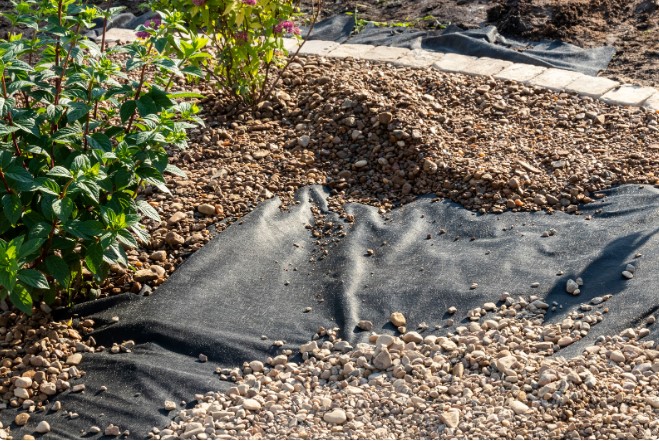
Landscaping projects, from cozy backyard gardens to elaborate commercial parks, often rely on non woven landscape fabrics to deliver critical benefits: suppressing weeds, stabilizing soil, and ensuring effective drainage. Yet, one of the most common mistakes is confusing nonwoven landscape fabric with woven alternatives or even basic plastic sheeting. Nonwoven varieties, made of tightly bonded synthetic fibers, allow water and nutrients to penetrate the soil while forming a durable geotextile weed barrier–ideal for many residential applications in Kazakhstan’s varied climates.
However, product confusion leads to expensive consequences. Homeowners frequently select non permeable landscape fabric expecting robust drainage but end up with waterlogged soil and dying plants. Others fall for the promise of cheap materials, not realizing that thin, low-quality fabrics often degrade within a season, becoming breeding grounds for weeds.
There’s also a persistent myth in landscaping: that all geotextile landscape fabric performs equally well in any situation. In truth, the effectiveness of geotextile drainage fabric depends on matching the right product to the particular soil type, usage scenario, and expected loads. For example, landscape geotextile fabric designed for weed control in garden beds is ill-suited for heavy driveways, where a thicker, stronger drainage geotextile fabric is needed to withstand weight and prevent rutting.
Even among professionals, there’s confusion when comparing landscape fabric vs geotextile applications. Standard landscaping filter fabric may be excellent for basic weed suppression, but filter fabric vs landscape fabric debates often overlook vital details such as permeability and tensile strength. For Kazakhstan’s unique soils–often sandy or with high clay content–selecting the best landscape fabric for drainage is not merely a matter of product price, but of fundamental suitability.
Installation Errors That Lead to Expensive Failures
After choosing the right material, installation becomes the next critical battleground. In practice, even the highest-quality nonwoven landscape fabric can fail if not properly installed. Failing to overlap seams, for example, allows roots and weeds to push through, while neglecting to secure edges leaves the fabric vulnerable to “blowback” in high winds, exposing soil and inviting erosion.
Another costly blunder is laying geotextile fabric for weed control without clearing the site of debris or sharp stones. These can puncture the fabric, creating weak points almost impossible to repair once buried. Inconsistent substrate leveling results in fabric stretching and tearing as soil shifts–especially problematic in sloped or high-traffic areas.
A frequent oversight in Kazakhstan’s climate is failing to consider freeze-thaw cycles. If the geotextile isn’t properly anchored, frost heave will shift sections, breaking the landscape’s smooth appearance and opening up channels for water intrusion. Moreover, using non permeable landscape fabric where permeable geotextile fabric is necessary leads to pooling and root rot.
Cutting corners on the fabric’s grade and type–such as using garden-grade geotextile under driveways–invites collapse and rutting, which often only become apparent after one or two years. Homeowners then face the unpleasant choice of expensive excavation and replacement.
Quality Matters: Choosing the Best Materials for Kazakhstan’s Conditions
Kazakhstan’s extremes–harsh winters, hot summers, sporadic rainfall–demand that construction materials offer durability, UV resistance, and effective drainage. Many underestimate the importance of permeability. Nonwoven landscape fabric outperforms woven variants regarding water transmission, making it the best landscape fabric for drainage applications, especially where sudden storms can cause localized flooding.
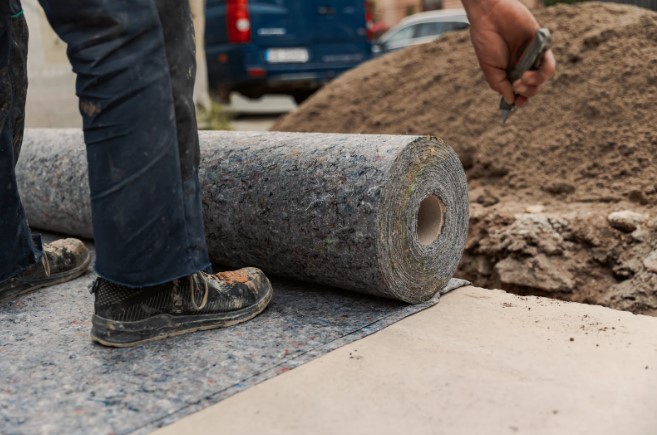
For those seeking top-tier landscaping filter fabric, product specifications cannot be overlooked. The best geotextile landscape fabric will have clear labeling of weight, permeability rate, and UV protection. Don’t be swayed by low prices or generic promises. The company Kraska.kz supplies a comprehensive catalog of nonwoven and woven options, with detailed technical data to guide your selection; on the company’s website Kraska.kz you’ll find geotextile landscape fabric suitable for heavy-duty stabilization, erosion control, or intricate garden beds.
Comparing woven vs non-woven weed barrier products is vital. Woven types offer superb strength–perfect for structural support beneath pavers or roadways–but may lack the permeability essential for healthy plant growth. Nonwoven materials, meanwhile, are easier to cut and install, and they provide superior filtration for French drains or plantings. Ultimately, the right choice depends on your landscape’s priorities: support and separation, or filtration and drainage.
Critical Mistakes Homeowners Make with Geotextile Installation
Several preventable errors account for the majority of failed landscape geotextile fabric installations:
- Using indoor-grade or low-weight fabric outdoors, leading to rapid breakdown in Kazakhstan’s sun and weather.
- Failing to distinguish between drainage fabric vs landscape fabric, installing the wrong type in flower beds or driveways.
- Installing geotextile drainage fabric with insufficient overlap at seams, allowing weeds and roots to infiltrate.
- Laying fabric directly onto uneven, debris-strewn soil, causing punctures and voids.
- Skipping edge anchoring or securing with improper pins, letting wind or frost dislodge the barrier.
- Relying on filter fabric for driveways or heavy-use paths, which lacks the strength of proper geotextile.
- Ignoring UV resistance ratings, resulting in rapid degradation when fabrics are exposed to sunlight.
Maximizing ROI: Maintenance, Replacement, and Long-Term Performance
Even with the perfect geotextile fabric for weed control in place, maintenance is essential to realize the full value of your investment. Check for exposed edges after storms or freeze-thaw cycles, especially in the spring. Replace worn sections quickly to prevent roots or erosion from compromising the entire installation. For driveways and paths, periodic inspection of the stabilization layer beneath gravel or paving is recommended, particularly after heavy use or major ground shifts.
When considering upgrades or re-landscaping, reassess the original material’s suitability–today’s advances in permeable geotextile fabric, drainage fabrics, and weed barriers may offer superior performance compared to older products.
From Mistake to Mastery: Ensuring Your Landscape Investment Lasts
Choosing and installing geotextile products is more than a box-ticking exercise. Success depends on matching advanced fabrics and correct installation practices to Kazakhstan’s diverse soils and climate. Avoid shortcuts, consult experts, and select materials tailored for the challenges of Central Asia’s landscapes. A well-informed approach shields your property from erosion, weeds, and drainage problems for years to come.